
DISASTER RESOURCES
Typhoon Halong
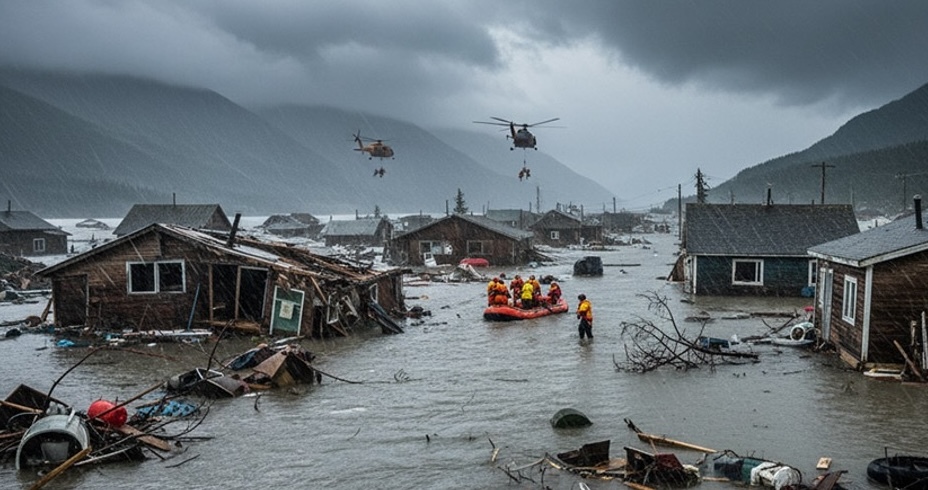
Image Source: www.travelandtourworld.com
Typhoon Halong struck western Alaska in early October 2025. Hurricane-force winds, record storm surges, and severe flooding devastated numerous remote Alaska Native communities and displaced more than 1,500 people. This devastation has had—and will continue to have–a substantial psychological impact on affected populations. Typhoon Halong, like other major storms, has led to extensive psychological strain for survivors, especially in vulnerable communities facing loss, displacement, and limited access to resources and mental health care.
Based on previous weather-related disasters, the following psychological impacts can likely be expected in the wake of this catastrophic event:
Prevalence of Distress and Trauma
Survivors of catastrophic typhoons commonly report elevated rates of general psychological distress, symptoms of posttraumatic stress, and even depression—often at levels substantially higher than national averages and other disaster contexts.
Risk Factors and Vulnerabilities
Economic instability, physical injury, and perceived threats to life are strongly associated with worse psychological outcomes. Social isolation and displacement increase vulnerability to PTSD and depression.
Mental Health System Challenges
In regions impacted by Halong, as with previous storms, local mental health provisions have been strained. Limited access to professionals and damaged infrastructure have made psychological support difficult to deliver, necessitating international and NGO intervention for immediate and long-term care.
Coping and Resilience
Survivors draw on emotional coping mechanisms, social support, and faith to process grief and trauma. Community mutual aid and engagement with a higher power emerge as meaningful strategies to restore resilience and sense of purpose after disaster.
Long-Term Recovery Needs
Recovery is an ongoing process. Mental health repercussions—including persistent symptoms of PTSD, anxiety, and depression—may last for months or years. Expansion of mental health integration at all health service levels is recommended for holistic disaster response, as done in some regions following previous typhoons.
For further information and reference related to coping after a disaster, please refer to the following list of resources
Disaster Resources for Psychiatrists, Communities, Families and APA Leadership
APA has curated and developed resources for communities experiencing disasters—from families and patients to psychiatrists and mental health providers.
Psychological First Aid: How You Can Support Well-Being in Disaster Victims.
Fact sheet from the Uniformed Services University’s Center for the Study of Traumatic Stress that offers guidance on supporting the physical and emotional well-being of disaster victims.
Disaster Events Fact Sheets from the Center for the Study of Traumatic Stress
A comprehensive range of disaster mental health education materials.
Grief Leadership: Leadership in the Wake of Tragedy
Understanding how people react to tragic events and the roles leaders play in recovery is critical to effective leadership. This fact sheet offers guidance on understanding traumatic grief as well as resources to help individuals and communities cope and recover.
Helping Children Understand Frightening Events
This fact sheet offers tips to help guide children when they need to know about difficult subjects
Leadership in Disasters
This fact sheet provides leaders with a framework for understanding expectable group responses to disaster, in order to promote effective leadership and management for victims of such tragedies.
The APA Blog includes several posts about Coping After Tragedy, Caring for Our Families in Difficult Times, Women, Disasters and Resilience, The Mental Health Impacts of Wildfires, and The Impact of Trauma.